
Human Rights and Business
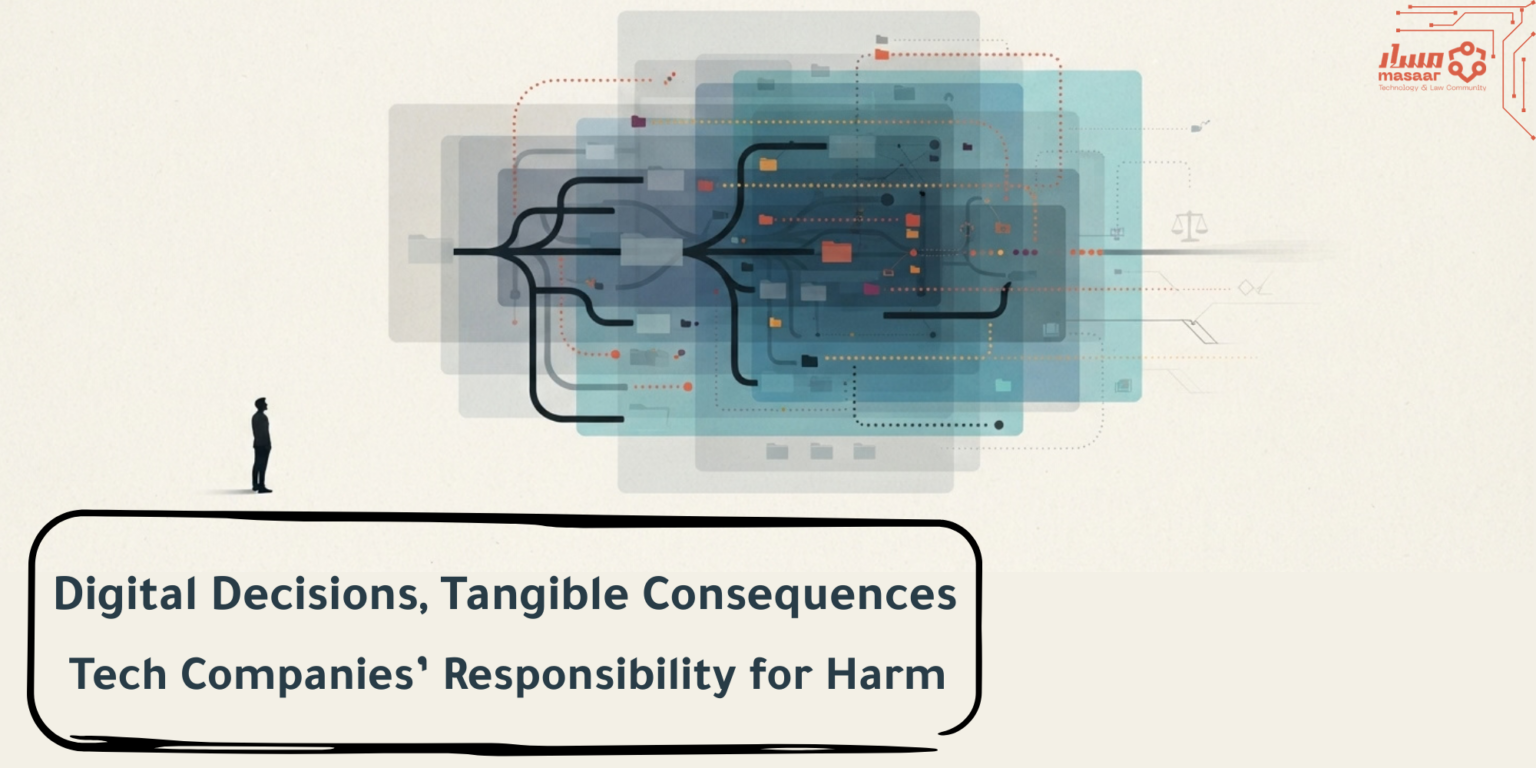
Digital Decisions, Tangible Consequences: Tech Companies’ Responsibility for Harm
This paper examines tech companies’ responsibility for the human rights impacts of the systems and services they design or operate. It traces a company’s control from defining a product’s purpose and collecting data to marketing, choosing clients and suppliers, and addressing harm.
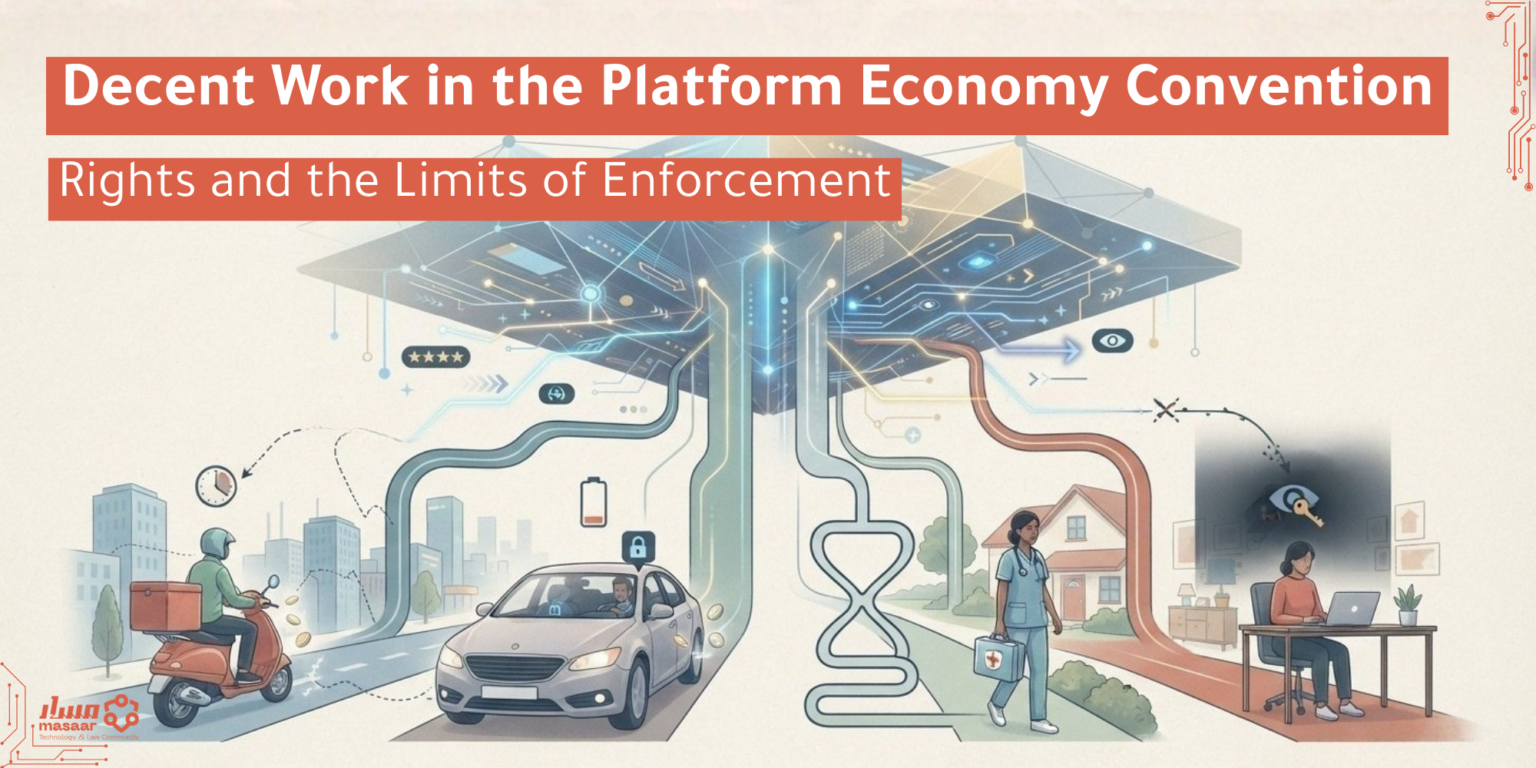
Decent Work in the Platform Economy Convention: Rights and the Limits of Enforcement
The paper examines the extent to which the Convention Concerning Decent Work in the Platform Economy can translate recognition of platform workers into enforceable labor protections, as well as the legal and institutional conditions required to achieve this.
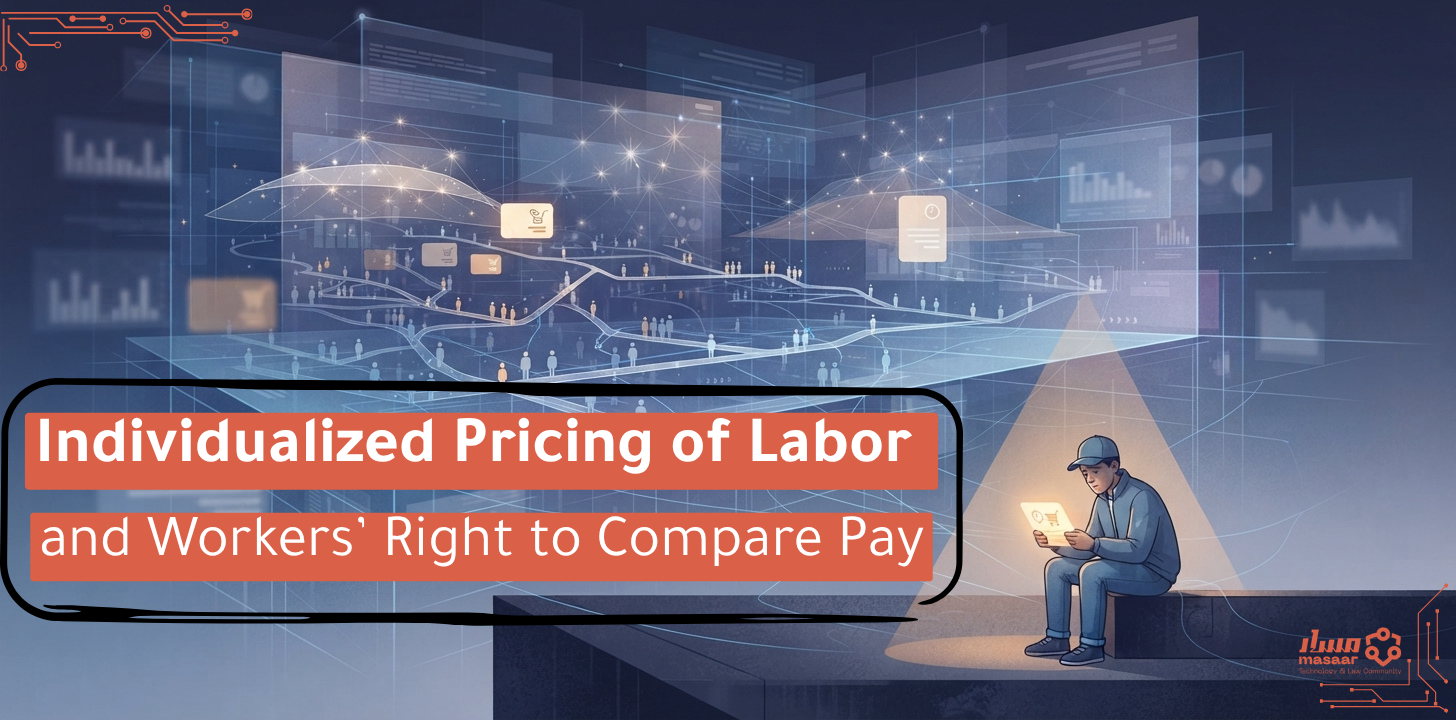
Individualized Pricing of Labor Power and Workers’ Right to Compare Pay
This paper examines how platforms can shift from setting pay based on task characteristics and market conditions to individualizing pay and allocating work opportunities based on each worker’s data and behavior.
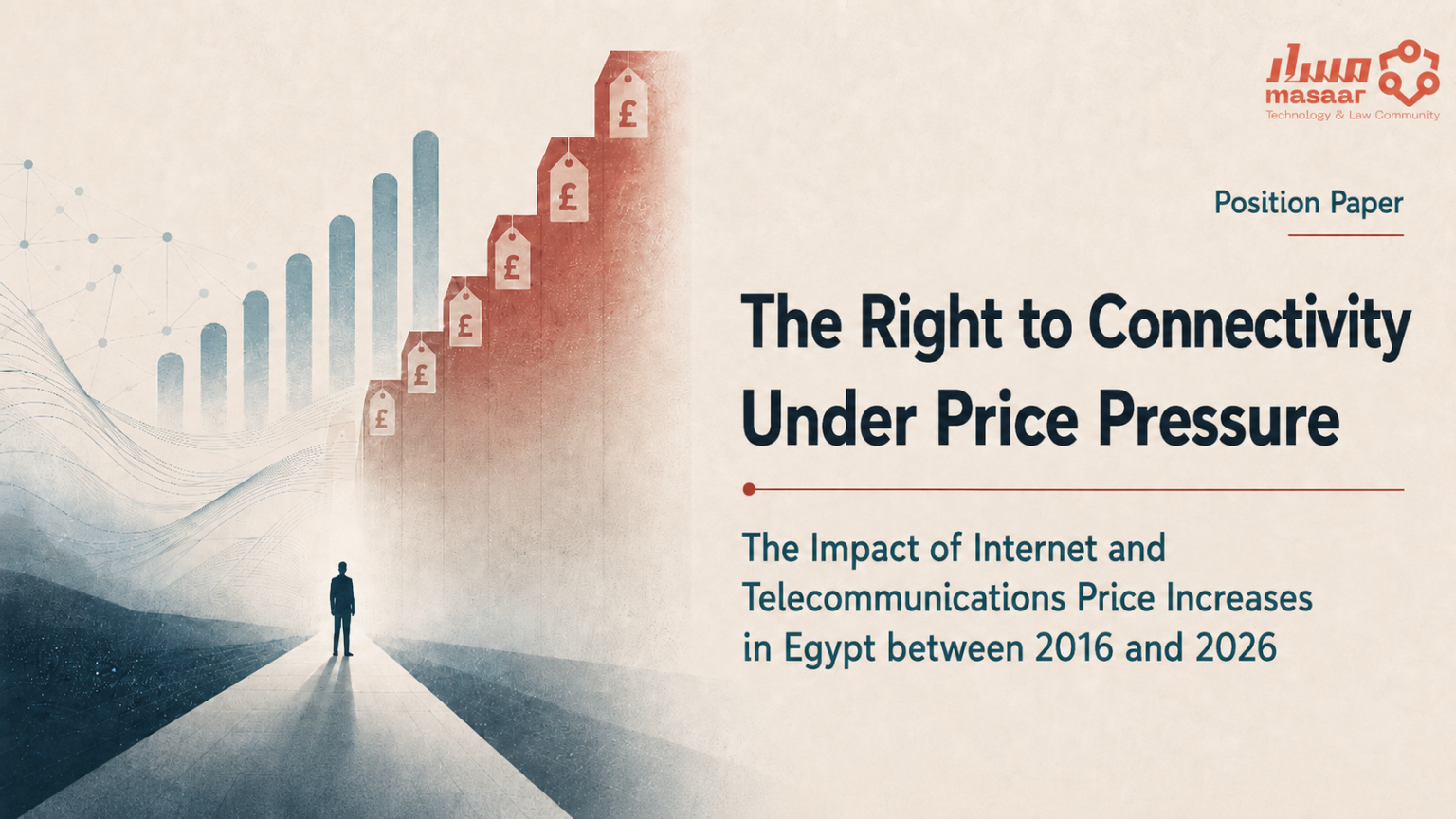
The Right to Connectivity Under Price Pressure
This paper traces the evolution of internet and telecommunications pricing in Egypt between 2016 and 2026, and examines how these increases affect access to education, work, government services, and information as both the state and society become increasingly dependent on digital services.
Alternative Data: How Digital Technology Is Reshaping Consumer Lending in Egypt and Expanding Its Risks
This paper explores how technologies are reshaping the consumer lending landscape in Egypt by expanding access and raising important questions about data protection, algorithmic bias, and the gap between financial inclusion narratives and social justice realities.
Modern Work Patterns in the New Labor Law: Between Legislative Recognition and Implementation Challenges
This paper provides a critical analysis of how platform workers are positioned within the new Labor Law, highlighting shortcomings that may leave them vulnerable. It also presents practical proposals to bridge these gaps, ensuring the protection of workers’ fundamental rights in the context of an accelerating digital economy.
IPv6 and Digital Rights in Egypt: Towards a More Efficient, Free, and Inclusive Internet
This paper discusses Egypt’s announcement of its strategy to adopt IPv6 and the implications of this move for digital rights. It analyzes the country’s digital infrastructure and legislative environment, assessing its readiness for the protocol’s adoption, as well as the opportunities and challenges that accompany it.
5G Networks in Egypt: Between Human Rights Risks and Development Opportunities
This paper discusses the introduction of 5G networks in Egypt and their implications for citizens’ daily lives and fundamental rights. It also examines the 5G rollout roadmap in Egypt, identifying key stakeholders (governmental, private, and international).

Social Media and Democracy: How Social Media Platforms Undermine the Foundations of Democracy
This paper addresses phenomena fostered by social media platforms that hinder healthy democratic life and potentially pose an existential threat to it. It also explores future possibilities for a radical change in the application of the social media concept within a digital world, where negative phenomena arising from current applications can be confronted and overcome.