
Artificial Intelligence
Gender Bias in Artificial Intelligence Models: How Data Reproduces Discrimination Against Women
This paper examines the phenomenon of gender bias in AI models by defining the concept and exploring its principal manifestations, immediate effects, and broader consequences. It also analyzes the underlying causes of such bias, investigating how the development, training, and operational functioning of AI systems can contribute to its emergence or perpetuation.

A Critical Analysis of the Risks of AI Integration in the Criminal Justice System through Public Prosecution
This paper addresses the legal and procedural risks arising from the Egyptian Public Prosecution’s announcement of the integration of artificial intelligence (AI) technologies into its work, as part of what it calls “Smart Prosecution.”
Sectoral Governance of AI as an Alternative to a Comprehensive Law in Egypt
This paper offers an alternative vision for addressing the challenges of AI. Its goal is to protect citizens’ fundamental rights from the risks of exploitation and discrimination, while encouraging responsible local innovation without excessive legislative burdens. It also seeks to bridge institutional gaps through flexible regulatory tools that can be continuously updated, ensuring a practical response to rapid technological change while respecting human rights.
AI and Democracy: How is Decision-Making Being Reshaped?
The landscape of the relationship between the various uses of AI and the democratic decision-making process is immensely broad and complex. Therefore, this paper discussing the long-standing relationship between the use of information in decision-making processes and how this process expresses popular will, drawing a line intersected by numerous AI applications.
Regulating Artificial Intelligence in Egypt: Proposed Standards and Principles
Through this policy paper, “Masaar” presents proposed standards and principles for regulating artificial intelligence in Egypt. The paper explores the philosophy, objectives, and optimal approaches of the proposed legislation.
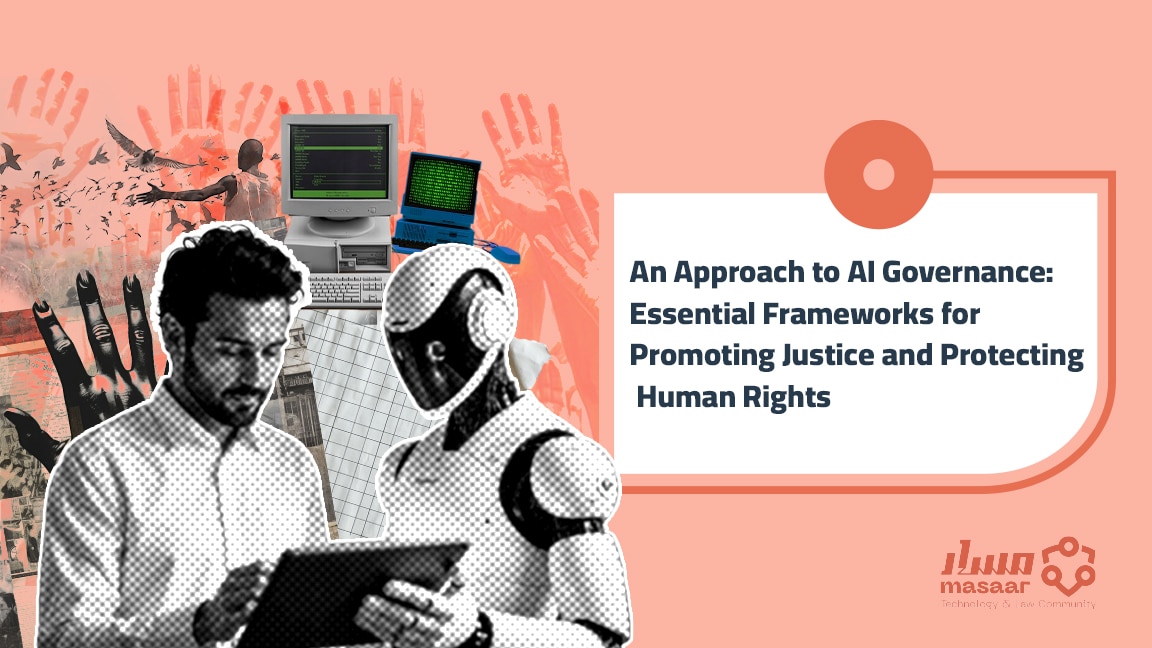
An Approach to AI Governance: Essential Frameworks for Promoting Justice and Protecting Human Rights
This policy paper addresses the foundational principles necessary for ethical AI governance. It delves into key areas such as non-discrimination, fairness, and inclusivity, emphasizing the importance of designing AI systems that do not perpetuate bias or exclude marginalized communities.

The EU AI Act: Objectives, Structure, and Key Provisions
This paper discusses the EU AI Act’s objectives, structure, and most important characteristics. It also deals with the general and special requirements applicable to AI systems. Finally, the paper sheds light on the Act’s most important provisions in addition to the institutions it establishes.

Regulating AI: Approaches to Ensuring Safe Use of the Technology
This paper seeks to provide a simplified picture of the complex scene of the efforts to regulate AI technology and industry. It poses the question of whether regulating AI is a necessity and asks questions about who should be responsible for setting the regulatory frameworks for AI and what aspects such regulatory frameworks should address. The paper also discusses the potential effects of regulating AI on human rights.

AI Language Models: Threats and Safeguards
This paper provides information about language models and the threats associated with their use as a means of raising awareness about these threats to enable users to be aware of the necessary standards that should be present in the language models they use in order to use them as safely as possible.