هذه الصفحة تُحدّث دوريا
يقدم هذا الخط الزمني عرضًا لأهم أحداث الرقابة على الإنترنت بداية من عام 2010 وحتى الآن، ويركز على الإجراءات والقرارات التي اتخذتها الحكومة المصرية للسيطرة على الإنترنت أو منع مستخدميه من التواصل سويًا عن طريق محاولات حجب تطبيقات التراسل الفوري مثل سيجنال وواير، كما يستعرض أهم التطورات التشريعية المرتبطة بالإنترنت والقضايا التي نظرتها المحكمة الإدارية العليا مثل حجب يوتيوب وقضية قطع الاتصالات، بالإضافة إلى سرد أحداث الرقابة على الإنترنت التي تزامنت مع اندلاع مظاهرات بمصر مثل مظاهرات 20 سبتمبر 2019.
منذ بداية العقد الثاني من الألفينات ومع تزايد أعداد مستخدمي الإنترنت في مصر وما ترتب عليه من توسع في نشر محتوى سياسي ومعارض للسلطات خصوصًا مع انتشار المدونات ومواقع التواصل الاجتماعي، بدأت السلطات المصرية بتركيز الاهتمام والجهود نحو فرض رقابة على الإنترنت في محاولة للسيطرة على المحتوى المنشور على الفضاء الافتراضي. حيث بدأ عام 2011 بحجب موقعي التواصل الاجتماعي فيسبوك وتوتير عقب الدعوة للتظاهر في ميدان التحرير يوم 25 يناير 2011، ولم يكن حجب مواقع الوِب آنذاك ممارسة معتادة من السلطات، ولكن الحدث الأبرز ذاك العام كان قطع خدمات الإنترنت والاتصالات عن كافة أنحاء مصر في يوم 28 يناير. منذ ذلك الحين أولت الدولة اهتمامًا خاصًا بالإنترنت، فبدأت بحجب مواقع الوِب بشكل ممنهج ثم تبعت ذلك باستحداث قوانين لتقنين ممارسة الحجب مثل قانون مكافحة جرائم تقنية المعلومات وقانون تنظيم الصحافة والإعلام.
It is only a shortcode builder. Kindly update/publish the page and check the actually cool timeline on front-end
Cool Timeline
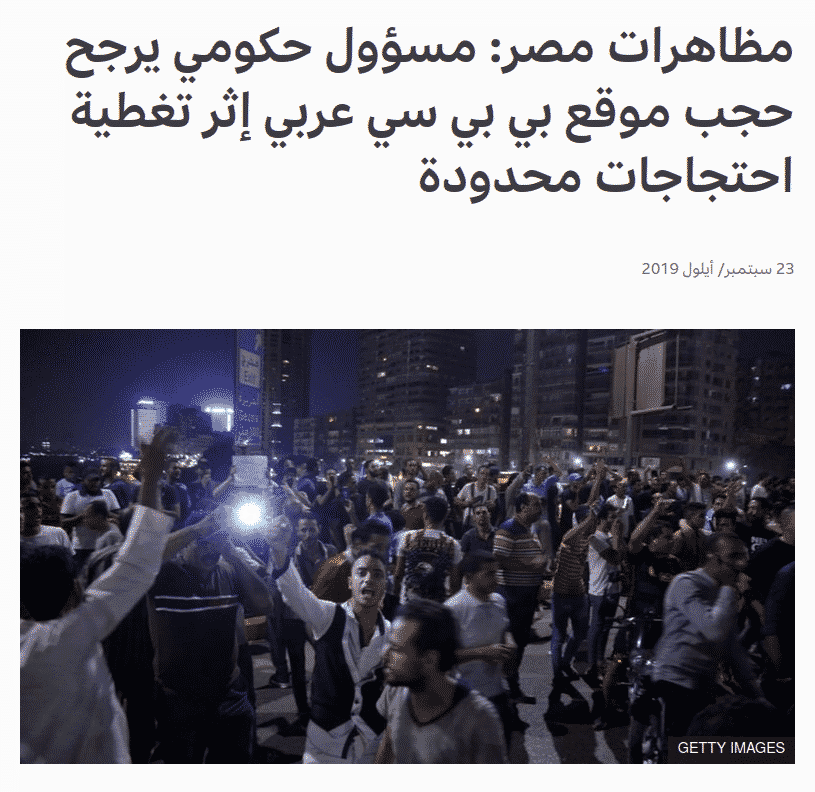
On 20 September 2019 a number of dispersed protests erupted in Egypt after a protest call by the contractor and actor Muhammad Ali who accused President Abdel-Fattah al-Sisi and his government of corruption. Hours before the demonstrations started the Supreme Council for Media Regulation published a report entitled “Blocking and fining are the punishments of publishing rumors in the media”. The report was a reiteration of the disciplinary measures of the Council. Article 17 of the measures ruled that the Council has the right to punish any newspaper or media outlet or electronic website that publishes or broadcasts false news or rumors, and that reported information published on the social media without verification. Article 17 sets the fine’s upper ceiling at no more than EGP 250 thousand or the equivalent in foreign currencies. The Council also has the right to ban a page, program, website for a certain period of time or permanently. Actually, some news websites were blocked in Egypt on 22 September 2010 after covering the protests. Readers found it difficult to reach certain websites like the BBC Arabic and Al-Hurra. According to the BBC, and after a phone call with Makram Muhammad Ahmed (head of the Council), Makram admitted that it is possible that the authorities had blocked some news websites including BBC Arabic. He added that he was not yet officially informed of the names of the blocked websites, however his preliminary information is that some news websites were blocked because they had published inaccurate information on the protests.
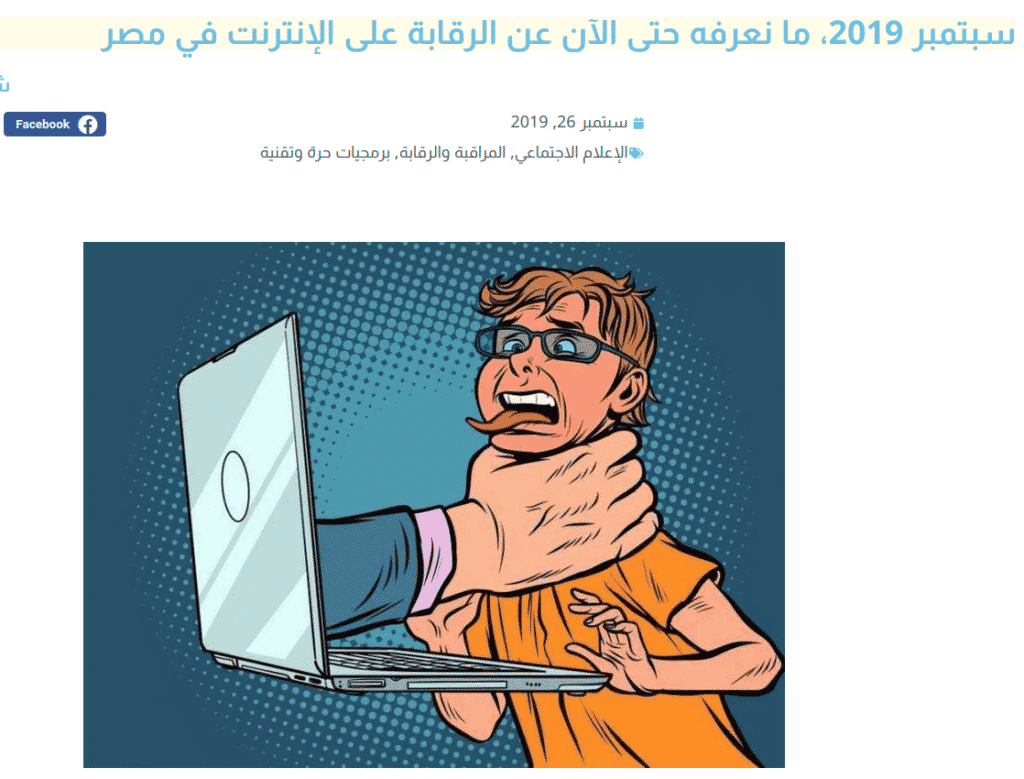
The 20 September protests were followed by another call for protest on 27 September. And despite that this last call did not receive attention, yet the Egyptian government spent the whole week trying to block instant chatting applications and news websites. On 22 September, the government attempted to ban Wire instant chatting application on Vodafone. On the next day, the government attempted to block Facebook Messenger on mobile telephone networks. Messages were received by users saying, “Facebook Messenger is currently unavailable”. The Facebook Messenger website was also blocked for a limited period. Fourteen other instant chatting websites were also blocked during this period. On 24 September, the government tried to ban Twitter. On the same day technologists noticed there was a geographical blocking on Twitter and Facebook in downtown Cairo.
أطلق حزب التحالف الشعبي الاشتراكي موقع “درب” برئاسة تحرير الصحفي خالد البلشي في 8 مارس 2020، وبعد شهر من إطلاقه تعرض الموقع للحجب في مصر في 9 إبريل 2020. موقع “درب” هو الموقع الثالث الذي يُحجب للصحفي خالد البلشي، حيث حجبت السلطات سابقًا موقعين برئاسة تحريره: موقع “البداية” في يونيو 2017، وموقع “كاتب” الذي حُجب بعد تسع ساعات فقط من إطلاقه في يونيو 2018. الجدير بالذكر أن موقع “كاتب” كان إحدى مبادرات “الشبكة العربية لمعلومات حقوق الإنسان” والتي تعرَّض موقعها للحجب في أغسطس 2017. أصدر حزب التحالف الشعبي وفريق درب بيانًا حول حجب الموقع في 11 إبريل 2020 بعنوان: “مستمرون في العمل وسنتخذ الإجراءات القانونية“، وأكد البيان أنه “رغم الحجب غير المعلن ومجهول المصدر، فإن الموقع سوف يستمر، بنفس سياسته التحريرية، كمنصة لتداول المعلومات، ونشر الآراء، ومعبرًا عن القوى الديمقراطية بكل تنوعاتها” كما أعلن أنه سيتم اتخاذ كافة الإجراءات النقابية والقانونية في مواجهة “هذا القرار القمعي“. واختتم البيان بـ“حجب الآراء وقمعها ومصادرة حرية الصحافة لا يحمي الأوطان“.
On 8 March 2020, the Socialist Popular Alliance Party started Darb website (Khaled el-Balshi is the chief editor). After just one month it was blocked in Egypt. Darb is the third website in row to be blocked with Khaled as the chief editor. First the authorities blocked Al-Bedaya website in June 2017, then it blocked Kateb website after 9 hours of its launch in June 2018. It should be noted here that Kateb was an initiative empowered by the Arab Network for Human Rights Information (ANHRI) whose website was also blocked in August 2017. The Popular Alliance party and Darb staff issued a statement entitled “We will continue our work and will take the needed legal measures”. The statement said: “despite the blocking whose source and reason are not known, the website will continue working with the same editorial policies, as a platform for exchange of information and broadcast of ideas, reflecting the views of the democratic forces with all their variations”. The statement said all measures will be taken against this “oppressive decision”. It ended by: “blocking opinions and censoring the press do not protect the motherland”.
تعرض موقع وتطبيق تلجرام للحجب في مصر لفترة محدودة يوم 22 أكتوبر 2020 على ثلاث شبكات لمقدمي خدمة الإنترنت، وهي شبكة “وي” وشبكة “فودافون” وشبكة “أورانج“. وذلك بعد إعلان العديد من مستخدمي خدمة الإنترنت على الشبكات الثلاث عدم قدرتهم على الوصول لـ“تلجرام“. ويعتبر “تلجرام” واحدًا من أشهر التطبيقات المُشفَّرة واسعة الانتشار في العالم.
On 22 October 2020, Telegram application and website were blocked for a limited period in Egypt on three networks (We, Vodafone and Orange). Several of Telegram users announced they cannot reach it. Telegram is a very famous and widely used applications.